Understanding Executive Orders: A Comprehensive Guide - In times of crisis, presidents may issue executive orders to declare a state of emergency. These orders allow the federal government to mobilize resources and respond quickly to urgent situations, such as natural disasters or national security threats. As with any tool of executive power, executive orders must be used responsibly and within constitutional limits. By balancing the need for effective governance with the principles of democracy and accountability, we can ensure that executive orders serve the best interests of the nation.
In times of crisis, presidents may issue executive orders to declare a state of emergency. These orders allow the federal government to mobilize resources and respond quickly to urgent situations, such as natural disasters or national security threats.
What is an Executive Order and How Does it Work? ACLU of South Dakota
President Barack Obama's executive order establishing DACA provided temporary relief for undocumented immigrants brought to the U.S. as children. This order highlighted the potential of executive actions to address complex social issues, even in the face of legislative gridlock.
An executive order is a legally binding directive issued by the President of the United States. It serves as a tool to manage the operations of the federal government and implement laws. Unlike legislation, which requires congressional approval, executive orders can be issued unilaterally by the president, making them a powerful instrument of executive authority.
Executive orders play a pivotal role in shaping the policies and actions of government entities. They are official documents issued by the President of the United States, directing federal agencies and officials on how to operate within the bounds of existing laws. These orders have significant implications for both domestic and international affairs, making them a crucial aspect of governance.
Executive orders can vary in purpose and scope, depending on the issue they address. Some common types include:
Congress also plays a role in shaping the effectiveness of executive orders. By passing new legislation or withholding funding, Congress can counteract or limit the impact of certain orders. These checks and balances ensure that executive orders remain within constitutional bounds.
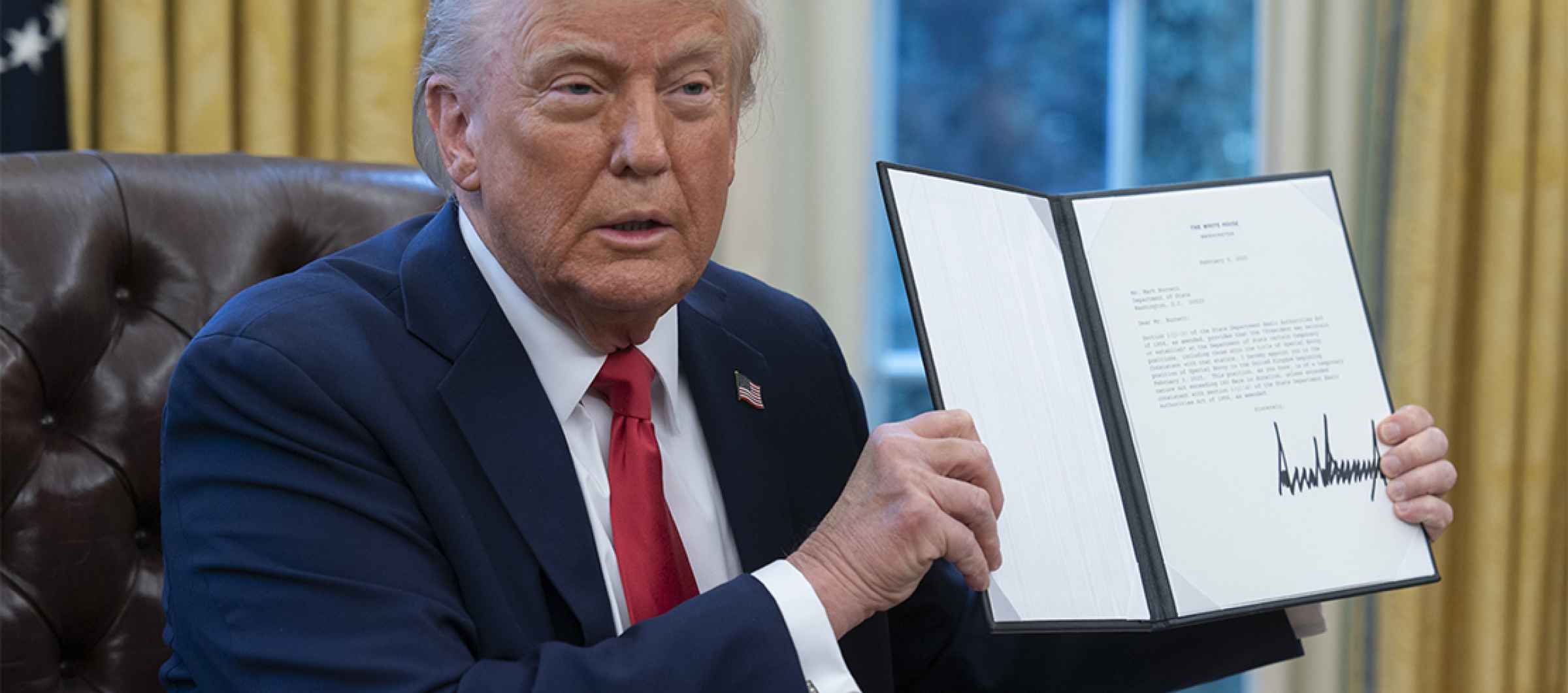
Throughout history, executive orders have been used to implement major policy changes, often sparking debates about their legality, scope, and impact. From civil rights advancements to environmental regulations, these directives have left lasting imprints on the nation's legal and political landscape.
These orders focus on managing the operations of federal agencies and ensuring compliance with laws. They may involve reorganizing departments, establishing new rules, or streamlining processes.
Policy directives are used to implement or modify existing policies. They often address complex issues such as healthcare, education, or environmental protection. These orders can have far-reaching effects on public policy and society.
Congressional statutes also provide a legal basis for certain executive orders. When Congress passes a law, it often delegates authority to the president to implement and enforce it. Executive orders serve as a mechanism to exercise this delegated authority.
The process of issuing an executive order involves several steps. First, the president drafts the order, often with input from advisors and legal counsel. Once finalized, the order is signed by the president and published in the Federal Register, making it officially enforceable.